
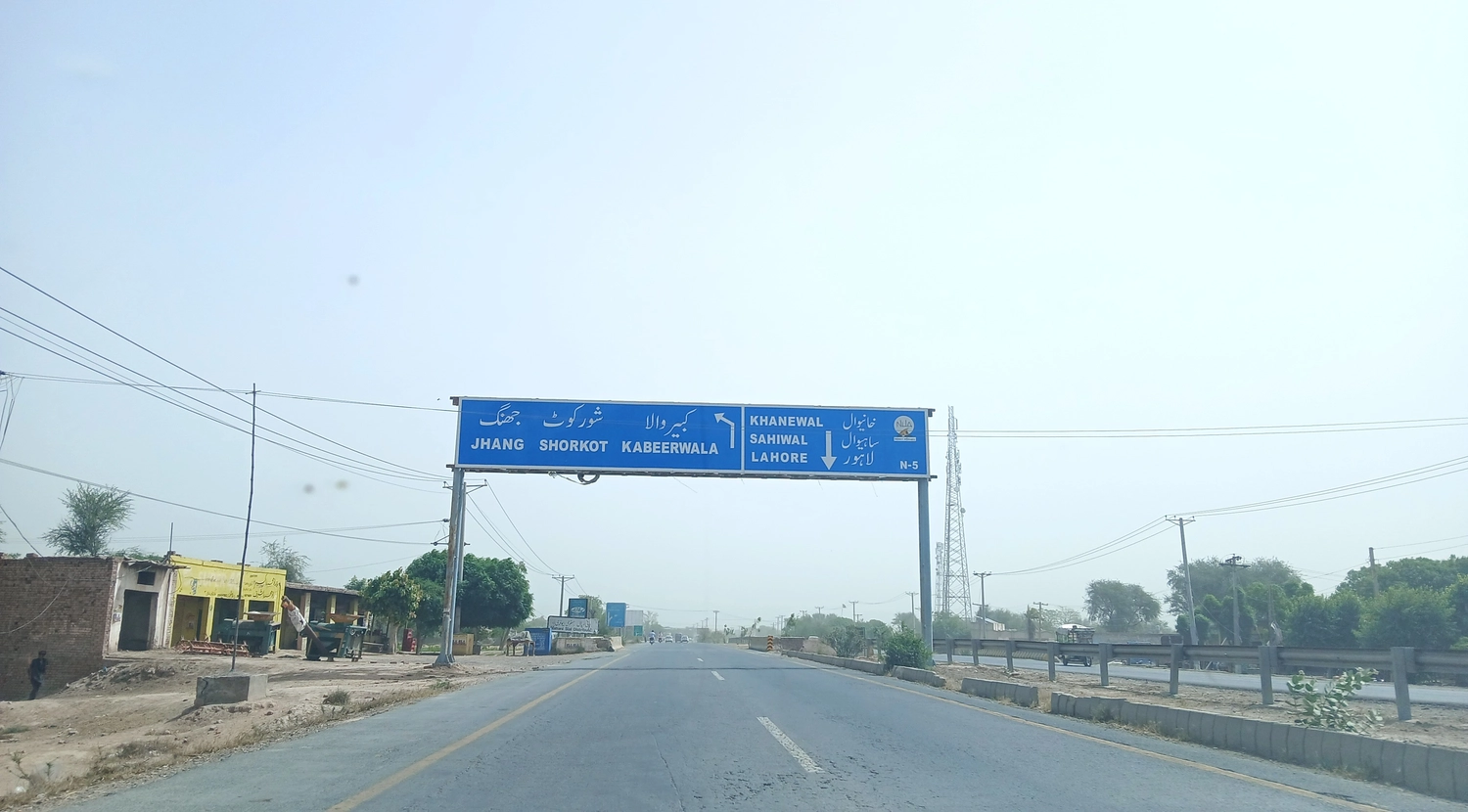
Kabirwala is a city and the administrative headquarters of Kabirwala Tehsil in Khanewal District, Punjab, Pakistan. It is one of the four tehsils of Khanewal District. Due to its central role in administration, trade, and services, it holds an important position in southern Punjab. The area is widely known for its agricultural productivity and its contribution to Pakistan’s dairy industry. Over time, this city has developed as a market and service center for a large surrounding rural population.
Location and Administrative Importance
Kabirwala Tehsil lies in the southern part of Punjab within Khanewal District. Khanewal District was established in 1985, and Kabirwala was designated as one of its main tehsils. The city of Kabir Wala serves as the tehsil headquarters, meaning that most government offices, courts, and administrative departments for the tehsil are located here.
Administratively, the tehsil is divided into union councils and numerous villages. Although local government systems change over time, its role as a key administrative unit remains constant. People from nearby villages regularly travel to this city for official matters such as land records, identity documentation, and other government services.
Population and Demographics of Kabirwala
According to the Pakistan Bureau of Statistics Census 2023, Kabirwala Tehsil has a total population of 1,119,229. The male population is recorded as 582,356, while the female population is 536,696, with a small number recorded as transgender. The total area of the tehsil is about 1,804 square kilometers, resulting in a population density of approximately 620 persons per square kilometer.
The census data also shows that Kabir Wala Tehsil is predominantly rural in nature. Only about 16 percent of the population lives in urban areas, while the remaining majority resides in villages. This highlights the importance of agriculture and rural livelihoods in the tehsil.
Kabirwala city itself has a population of about 91,932 as per the 2023 census figures reported in secondary sources. Although the city population is relatively modest, it serves a very large rural population, which makes it a busy and active urban center.
Rural Character of Kabirwala Tehsil
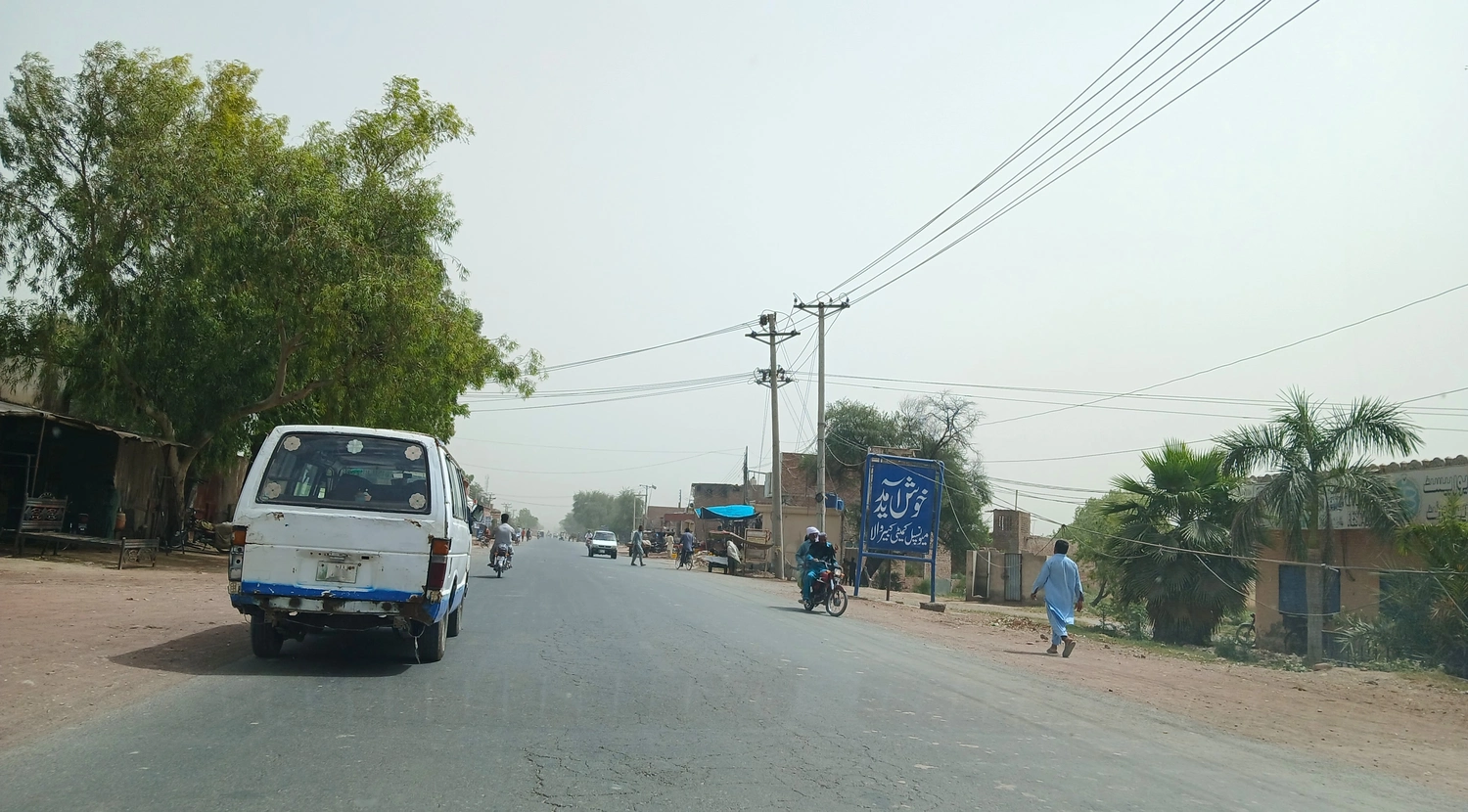
The large rural population of this tehsil shapes its overall character. Most residents depend directly or indirectly on farming, livestock, and related activities. Villages around this city are connected to the city through local roads, and daily movement of people is common for trade, education, health care, and employment.
Because the tehsil is mainly rural, development needs often focus on improving village infrastructure, access to clean water, better health facilities, and educational institutions. This city acts as a bridge between rural communities and government or private services.
Agriculture and Local Economy
Agriculture is the backbone of its economy. The fertile plains of Punjab support the cultivation of various crops, and livestock rearing is also widespread. Seasonal agricultural activities such as sowing and harvesting create regular economic cycles in the region.
Beyond traditional farming, this town has gained national importance due to its role in the dairy industry. A major milk processing plant established by Nestlé Pakistan operates in Kabirwala. According to company sources, this plant has the capacity to process millions of liters of milk per day. This facility has strengthened the local economy by creating employment opportunities and providing a stable market for dairy farmers in surrounding villages.
The presence of such an industrial unit also supports related businesses such as transportation, packaging, maintenance services, and small-scale suppliers.
Trade, Markets, and Transport in Kabirwala
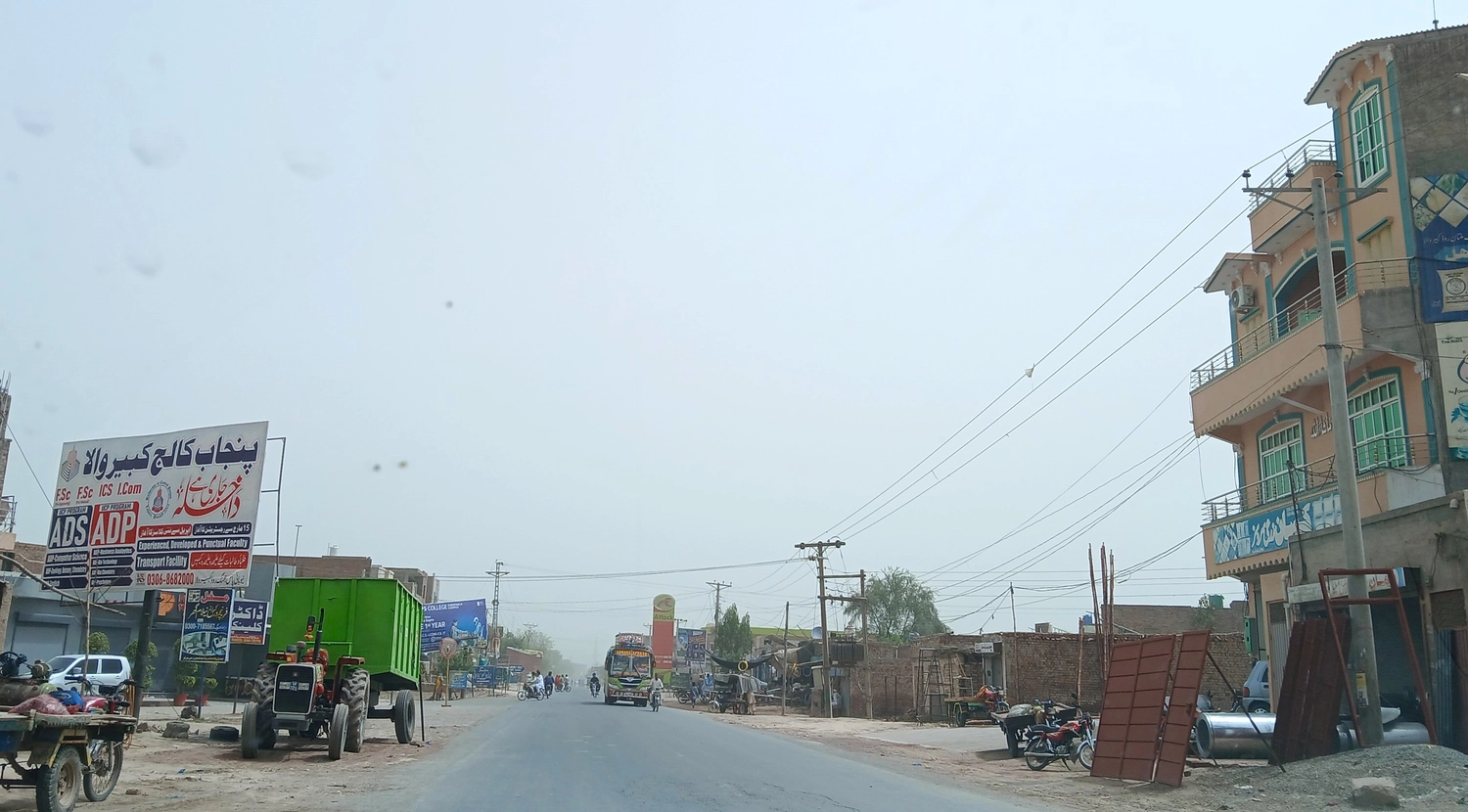
Kabirwala city functions as a commercial hub for the tehsil. Local bazaars, wholesale markets, and service businesses cater to both urban residents and people from nearby villages. Farmers bring their produce to the city markets, while shopkeepers and traders distribute goods across rural areas.
The city’s location on important road networks connecting Multan, Khanewal, and other districts enhances its role in trade and transport. Passenger transport, goods carriers, and local commuting services are an essential part of daily life in this city. This connectivity helps integrate the tehsil into the wider regional economy.
Language, Culture, and Social Life in Kabir Wala
Saraiki is widely spoken in this tehsil, reflecting the cultural identity of southern Punjab. Urdu is commonly used in education, government offices, and formal communication. This bilingual environment is typical of many towns in the region.
Religious and cultural traditions play an important role in social life. The area around Kabirwala is associated with historic religious sites and shrines, which attract visitors and contribute to local cultural practices. Community gatherings, religious events, and festivals are an important part of everyday life.
Education and Public Services
As the tehsil headquarters, Kabirwala city hosts many essential public services. Educational institutions, including schools and colleges, serve students from both the city and nearby villages. Health services such as hospitals, clinics, and diagnostic centers are also concentrated in the city.
In addition, legal services, banks, and administrative offices are located in Kabirwala, making it a central point for civic and social activities. This service-oriented role strengthens the city’s importance within the tehsil.
Development Challenges and Opportunities
Like many tehsils in Punjab, Kabirwala faces several development challenges. These include improving rural infrastructure, ensuring reliable irrigation systems, expanding health and education facilities, and creating employment opportunities for the growing youth population.
At the same time, this tehsil has strong development potential. Its agricultural base, dairy industry, and strategic location provide opportunities for sustainable economic growth. With proper planning and investment, the tehsil can further improve living standards for both rural and urban residents.
Also Read: Khanewal MPA List 2024